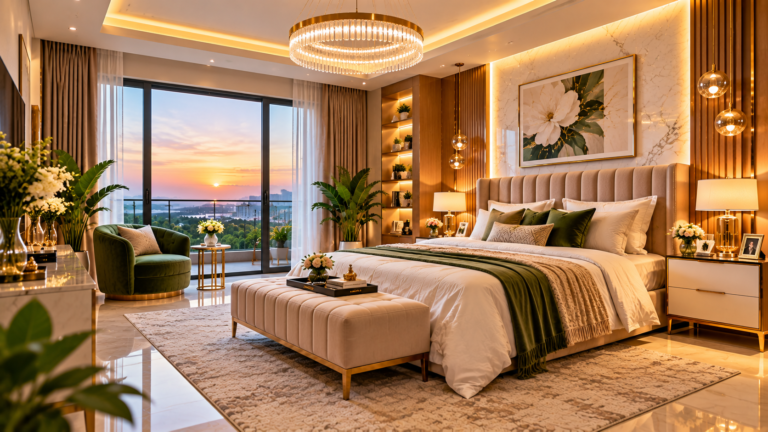
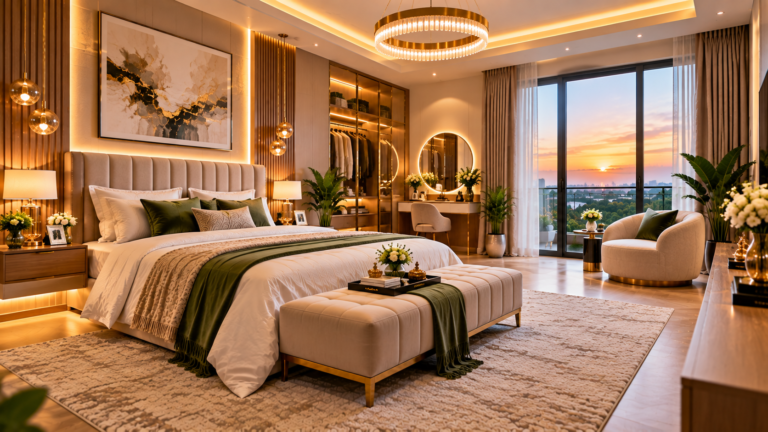
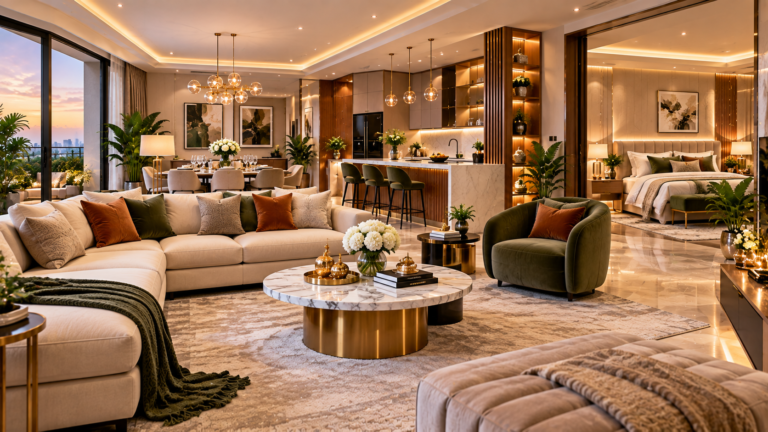
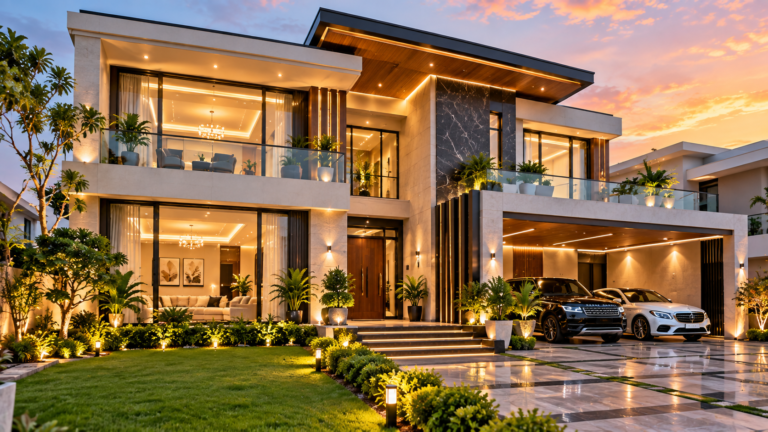
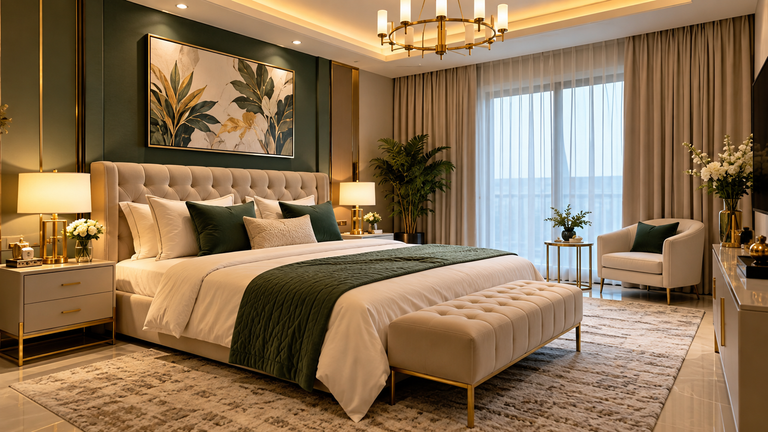
A small room can be one of the most enjoyable spaces to decorate. You don’t need a huge bedroom, living room, or apartment to create an interior that feels stylish and expensive. In fact, when space is limited, every furniture choice becomes more meaningful.
The biggest mistake people make with a small room is trying to fit everything they would normally put in a much larger space. A large sofa, several tables, oversized cabinets, too many decorations, and heavy curtains can quickly make the room feel even smaller.
A better approach is to work with the space you actually have. With correctly sized modern furniture, thoughtful colors, good lighting, and a few visual tricks, a compact room can feel surprisingly open and elegant.
Here are some ideas I would consider before buying anything.
1. Start by Removing What the Room Doesn’t Need
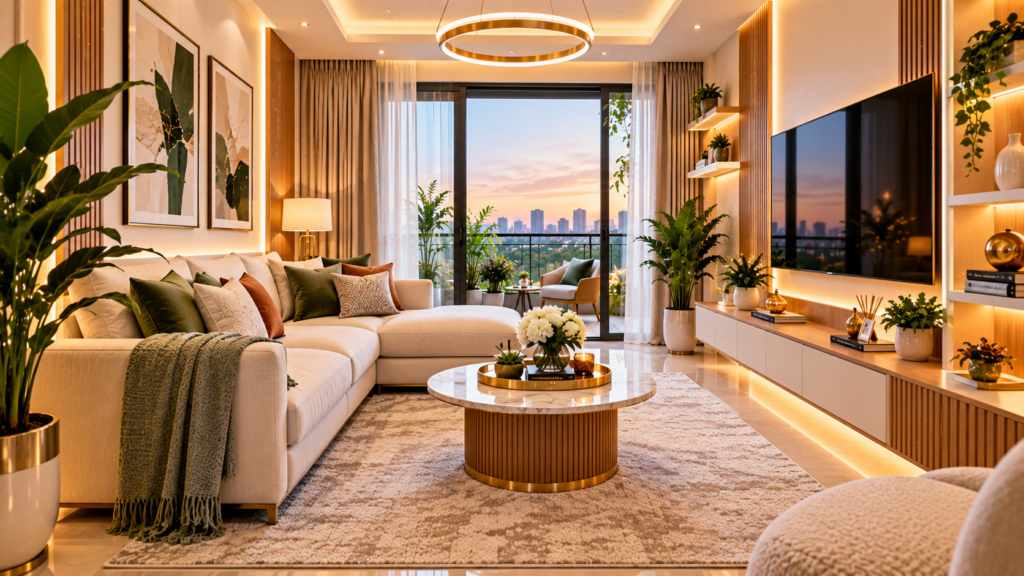
Before decorating a small room, look at what is already inside it.
Do you really need two side tables? Is that large cabinet providing useful storage? Does the extra chair ever get used?
Small rooms benefit enormously from editing.
This doesn’t mean creating an empty minimalist space. It simply means that every large object should have a reason to be there.
Once unnecessary furniture is removed, you may discover that the room isn’t actually as small as it previously felt.
2. Choose Furniture According to Scale
Small room doesn’t necessarily mean tiny furniture.
Several miniature pieces scattered around a room can create more visual clutter than one properly proportioned sofa or bed.
Instead, choose a few comfortable pieces with clean shapes.
For a small living room, a compact two- or three-seat sofa with slim arms may work better than a bulky sectional. In a bedroom, a simple bed frame with integrated storage can eliminate the need for another cabinet.
Always measure before buying. Leave enough room for people to walk naturally rather than designing the entire floor around furniture.
3. Try Furniture With Visible Legs
Furniture raised slightly above the floor can make a compact room feel visually lighter.
A sofa with slim legs, a floating TV console, or wall-mounted bedside tables allows you to see more flooring underneath. Your eye therefore reads more continuous floor area.
It is a subtle difference, but in a small space, these little details matter.
Modern furniture is particularly useful here because many contemporary designs already have lighter profiles and cleaner lines.
4. Use Light Colors, but Don’t Make Everything White
Light colors can certainly help a room feel brighter, but an entirely white interior isn’t the only solution.
Warm white, cream, beige, pale taupe, soft gray, and light natural wood all work beautifully in compact rooms.
Then introduce a little contrast.
For example, a cream sofa with an olive-green chair and walnut coffee table can still feel open while having far more personality than a completely white room.
A few darker accents can actually give the space depth.
5. Keep the Main Color Consistent
Too many dramatic color changes can visually divide a small room into even smaller sections.
Instead, let one main color flow through the walls and larger furniture pieces.
You can then use cushions, artwork, throws, lamps, and smaller accessories for variation.
If your walls are warm white, for example, a cream sofa and beige rug can create a continuous foundation. Green, brown, or black details can then provide contrast without overwhelming the room.
6. Let One Piece of Furniture Do Two Jobs
Multifunctional furniture is extremely useful in small homes.
An ottoman can provide seating, storage, and sometimes even function as a coffee table. A storage bed can hold seasonal clothing or extra bedding. A bench can provide both seating and concealed storage.
Nesting tables are another clever option. Keep them together when you need floor space and separate them when guests arrive.
The less furniture you need to perform everyday tasks, the more open the room can remain.
7. Consider a Round Coffee Table
Large rectangular coffee tables aren’t always ideal for compact living rooms.
A round or oval table can improve movement because there are no projecting corners to navigate around.
The softer shape also provides visual contrast against rectangular sofas, rugs, windows, and cabinets.
For an especially light appearance, consider a slim-legged table rather than a heavy solid base.
8. Use Your Walls for Storage
When floor space is limited, look upward.
Floating shelves can hold books and decorative objects without requiring another cabinet. Tall storage units can use vertical space that would otherwise remain empty.
In a bedroom, wall-mounted bedside tables can free up floor area. In a living room, a floating TV unit can provide useful storage without looking bulky.
Just don’t cover every wall with shelves.
Vertical storage helps only when it reduces clutter rather than creating more of it.
9. Make Curtains Work Harder
Curtains can change how tall a small room feels.
Instead of hanging the curtain rod directly above the window, take it closer to the ceiling and allow the curtains to fall almost to the floor.
This creates a strong vertical line that draws your eyes upward.
Light-colored sheer curtains are particularly useful during the day because they soften natural light without making the window feel heavy.
For privacy, combine them with simple outer curtains or blinds.
10. Use Mirrors With a Purpose
Mirrors are a classic small-room trick, but placement matters.
A large mirror positioned where it can reflect natural light may help the room feel brighter and more open.
Try placing one opposite or near a window, depending on the layout.
An oversized decorative mirror can also replace several smaller wall decorations. This gives you one strong feature rather than many objects competing for attention.
11. Don’t Underestimate the Rug
People sometimes choose tiny rugs for tiny rooms, but this can visually shrink the furniture arrangement.
In a living room, use a rug large enough to connect the main seating pieces. Having the front legs of the sofa and chairs resting on it can make the furniture feel like one coordinated group.
In a bedroom, a larger rug extending beyond the bed can have a similar effect.
A soft beige, cream, or subtly patterned rug can add comfort without visually breaking up the floor too much.
12. Create Layers of Lighting
A single harsh ceiling light can make even a beautifully decorated small room feel flat.
Use several sources instead.
Recessed ceiling lights can provide general brightness. A floor lamp beside the sofa can illuminate a reading corner. Bedside pendants can eliminate the need for large table lamps.
Warm concealed lighting underneath a floating cabinet or behind a wall panel can add depth in the evening.
You don’t need all of these in one room. Choose the lighting that makes sense for how you use the space.
13. Keep Window Areas Open
Natural light is incredibly valuable in a small room.
Avoid placing a large cabinet directly in front of a window or surrounding it with heavy furniture.
Let daylight travel as far into the room as possible.
If you have a beautiful view, arrange furniture so the window becomes part of the design rather than something hidden behind curtains and furniture.
A bright small room can often feel more spacious than a poorly lit room that is physically larger.
14. Create One Focal Point
When everything is trying to attract attention, a small room can quickly feel chaotic.
Choose one area to be the star.
In a living room, this might be a modern TV wall with subtle wood panels and warm lighting. In a bedroom, it could be the upholstered headboard wall.
Once you have that focal point, keep surrounding areas simpler.
This gives the eye somewhere to settle and makes the entire design feel more intentional.
15. Choose Decorations Carefully
A small room doesn’t need to be free of personality.
It simply benefits from larger, more deliberate decorative choices rather than dozens of tiny objects.
Instead of covering a wall with many small frames, try one larger piece of artwork.
Instead of filling a coffee table with ornaments, use a decorative tray, a book, and perhaps a small vase.
A tall indoor plant can also fill an empty corner beautifully without requiring several separate decorations.
16. Use Glass and Reflective Surfaces in Moderation
Glass furniture can be useful because it doesn’t visually block as much space.
A glass-top side table or coffee table can therefore work well in a compact room.
Mirrored or polished surfaces can also reflect light, but don’t overdo them. Too many shiny finishes can make a room feel busy rather than elegant.
Mix them with soft fabrics, natural wood, and matte surfaces to maintain balance.
17. Hide Cables and Everyday Clutter
One of the quickest ways to make a small room look smaller is visible clutter.
Chargers, extension cords, remote controls, paperwork, shoes, and everyday belongings consume surprisingly large amounts of visual space.
Plan storage around the things you actually own.
Use drawers, closed cabinets, baskets, cable-management solutions, and furniture with concealed compartments.
Clear surfaces immediately make the room feel calmer.
18. Don’t Push Furniture Everywhere Just Because It Fits
Finding an empty wall doesn’t mean you need to put something against it.
Leaving part of a wall empty can make the furniture you already have feel more important.
The same applies to corners.
Sometimes a plant or floor lamp is enough. Sometimes the best choice is simply leaving the corner open.
Space itself is part of interior design.
19. Think About Movement Through the Room
Imagine walking into the room with your hands full.
Can you reach the sofa without navigating around a coffee table? Can wardrobe doors open completely? Can two people comfortably pass each other?
These practical questions matter more than whether the room looks perfect from one camera angle.
A small room feels larger when movement through it is effortless.
20. Add a Little Personality
Finally, don’t become so focused on making the room appear larger that it stops feeling like your home.
Add something personal.
It could be artwork you love, family photographs, books, a favorite color, travel memories, or one unusual chair you’ve always wanted.
Modern elegance doesn’t require removing personality. The trick is simply giving meaningful objects enough space to be noticed.
Final Thoughts
Making a small room look bigger isn’t about trying to fool people into believing it has twice the floor area. It’s about using the available space intelligently.
Choose fewer pieces of correctly proportioned modern furniture. Use lighter, coordinated colors as the foundation. Take advantage of vertical storage, natural light, mirrors, floating furniture, and multifunctional pieces. Keep clutter under control and leave some areas intentionally empty.
Most importantly, make the room comfortable.
A small space with good lighting, thoughtful furniture, clear walking paths, and a little personality can feel far more luxurious than a much larger room filled with things that don’t belong together.